
Moss is not difficult, but it is opinionated. It wants steady moisture, clean water, soft light and air that moves without blasting it dry. When those conditions slip, the moss lets you know by fading to brown, usually starting at the tips or in patches. Before you change everything, feel it. Crisp and brittle points to dryness. Damp and sour points to waterlogging. Bleached and papery points to too much sun. The six causes below cover most brown-moss cases, and each one has a practical fix.
1. Dry air and stop-start watering
Moss has no proper roots. It drinks through its leaves and stems, so a quick splash on the surface is not the same as keeping the cushion damp. Brown, crispy tips, curling stems and a lighter, papery texture almost always mean the moss has dried out. Central heating is a common culprit: a room that feels comfortable to you can be desert-dry for moss. So can a windowsill above a radiator or a shelf near an air-conditioning vent.
What to do
Water with rainwater or distilled water, aiming for damp rather than dripping. Mist morning and evening in dry weather, and check the substrate underneath. If it is dry a centimetre down, water more deeply. A humidity tray—a saucer of pebbles and water beneath the pot—helps, as does grouping moss with other plants. For a moss wall, increase misting frequency rather than drenching once. If the moss is in a terrarium, fit a lid and open it briefly every few days.
2. Tap water and mineral build-up
Moss is sensitive to what is in the water. Chlorine and chloramine, fluoride, and the dissolved minerals in hard water can accumulate in the moss and leave a pale, brownish crust at the edges. If your kettle furs up, your tap water is probably too hard for moss. Softened water is not the answer either; the sodium used in many softeners can damage moss.
Switch to rainwater collected from a clean butt, or use distilled or reverse-osmosis water. If you must use tap water, let it stand overnight to dissipate chlorine—but note that chloramine will not evaporate. Flush the moss and substrate with rainwater to leach out salts. Water the substrate, not just the moss, and empty any saucer so minerals do not wick back up.
3. Too much direct sun
Most mosses evolved on forest floors, rock crevices and shaded banks. They like bright, indirect light; direct midday sun will scorch them. The damage often appears as brown patches on the side facing the window, or a bleached, straw-like colour across the top. A south-facing windowsill in summer is the usual suspect, but a powerful grow light left on too long can do the same.
Move the moss to a north- or east-facing window, or set it back from a sunny window behind a sheer curtain. If you use a grow light, keep it on for around 10–12 hours a day and position it further away. Rotate the container weekly so one side does not take all the light. Brown, scorched patches will not turn green again, but new growth should if the light is corrected.
4. Waterlogging and poor drainage
Brown moss is not always dry. If the moss feels soggy, the substrate smells sour, or you see mould, the problem is too much water and not enough air. Moss needs damp conditions, but its rhizoids are not built to sit in stagnant, oxygen-poor sludge. Waterlogged moss often turns dark brown or black at the base first, then collapses.
Check drainage. Use a substrate that holds moisture but drains freely—sphagnum moss mixed with perlite, bark or coarse sand works for many setups. Never let pots stand in water. For a moss wall or tray, tilt it slightly so excess water can run off. If the moss is already soggy, gently squeeze it out, remove any rotten sections, and let the surface dry slightly before watering again. Increase airflow with a small fan on low, but keep it indirect.
5. Chemicals and contaminants
Moss is a natural filter, which is part of its charm—and its weakness. Cleaning sprays, air fresheners, essential oil diffusers, furniture polish, bug spray and even fertiliser can settle on it and burn or poison the tissue. Brown patches that appear after you clean a shelf or spray the room are not a coincidence. Fertiliser is a common mistake: moss does not need rich feeding, and too much can scorch it.
Move moss away or cover it while cleaning, and avoid spraying aerosols nearby. If you suspect contamination, rinse the moss gently with rainwater and flush the substrate several times. Do not use soap or detergent. For indoor moss, good ventilation is better than chemical air fresheners. If you have used a pesticide or fungicide, check whether it is safe for moss before using it again; when in doubt, isolate the plant and ask a specialist at a garden centre.
6. Natural ageing and the wrong setup
Sometimes brown is simply old. As moss grows, the lower layers get shaded, stay wetter, and die back naturally. That is normal, especially in dense cushions and moss walls. If the brown is underneath a layer of fresh green growth, the moss is probably fine. The same goes for cut moss that has been harvested and kept too dry for too long: it may be dormant rather than dead.
Trim away the brown, dead material with clean scissors to let light and air reach the new growth. Propagate healthy green pieces by pressing them onto a damp surface; many mosses will regrow from fragments. If the whole container has turned brown and smells musty, start again with fresh moss and a better setup. And check the species: some mosses need boggy conditions, while others prefer drier, shaded walls. Matching the moss to the spot is easier than forcing a sun-lover or a swamp-dweller to adapt.
A simple recovery routine
Once you have identified the likely cause, give the moss two weeks of consistent care before deciding it is dead. A simple routine:
- Feel the moss daily. Water when it is just losing its springiness, not after it has crisped.
- Use rainwater or distilled water, and water the substrate as well as the surface.
- Keep it in bright, indirect light, away from radiators, hot windows and draughts.
- Trim brown patches, improve airflow, and remove any standing water.
- Be patient. Moss can look brown for a while and still push out new green tips from the base.
If the moss is preserved rather than living, the rules are different. Preserved moss is already dead and treated; it should not be misted. Browning there usually means sun fading, dust, or damp getting into the backing. Keep it out of direct sun and dust it gently with a soft brush. With living moss, the fix is almost always about water quality, moisture balance, light and air. Get those four right, and brown patches often green up from the edges in a few weeks.
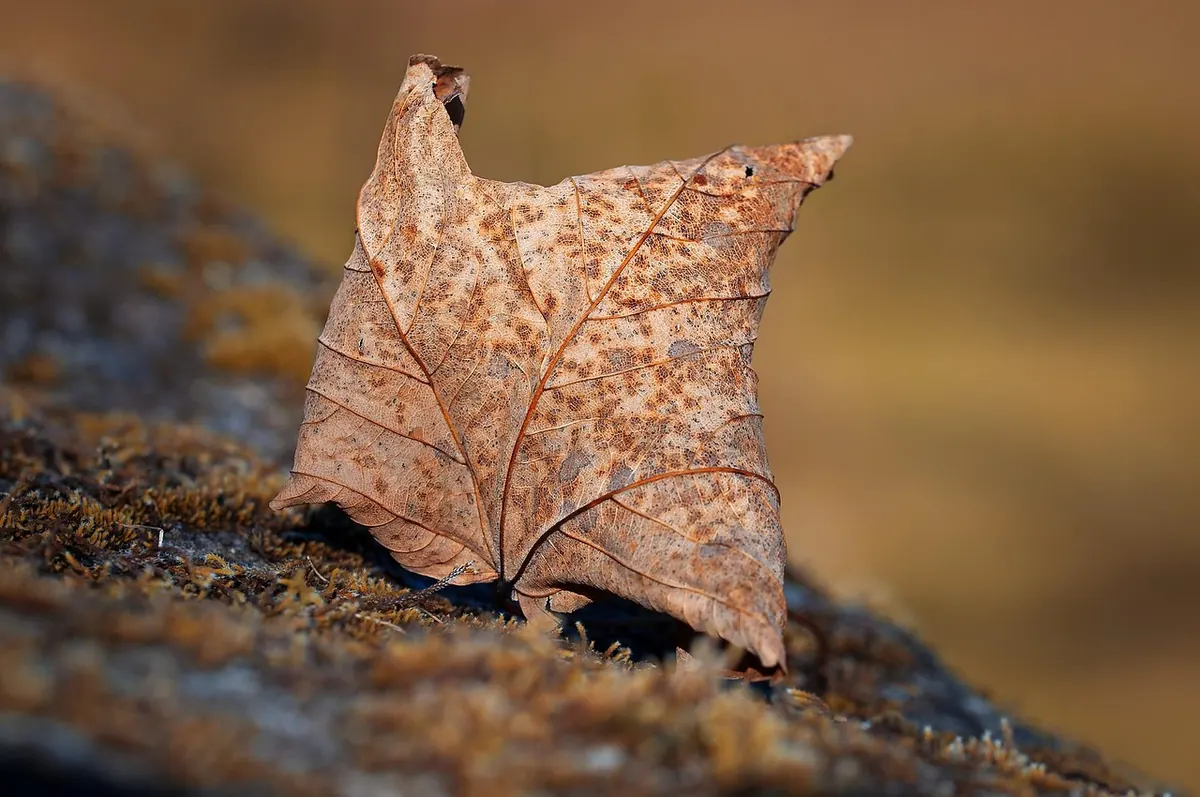
Photo: Pezibear / Pixabay
Related posts
More stories you’ll love reading